Harnessing Nature: The Role of Trees in Climate Adaptation Strategies Jun 16, 2026
To comprehend the role of trees in climate adaptation, it's crucial to first recognize their inherent capabilities. Trees absorb carbon dioxide—a primary greenhouse gas—and store carbon in their wood, leaves, and roots. This process not only helps reduce atmospheric carbon levels but also mitigates climate change effects. Moreover, trees provide shade, reducing the urban heat island effect typical in densely populated areas, thereby lowering energy costs and cooling buildings naturally.
Trees are also extraordinary water managers. During periods of heavy rainfall, tree canopies intercept rain, reducing runoff and preventing soil erosion. Their roots act as efficient channels that facilitate water percolation into the ground, replenishing groundwater supplies and reducing the risks of flooding. In drought-prone regions, trees improve soil moisture, which is crucial for sustaining agriculture and local biodiversity.
However, integrating trees into our climate adaptation strategies requires strategic planning and management. It's not enough to plant trees; we must focus on the right species in suitable locations to maximize benefits. Native species generally require less maintenance, withstand local climates better, and support local ecosystems more effectively. With the proper selection and care, trees can thrive and significantly support climate resilience efforts.
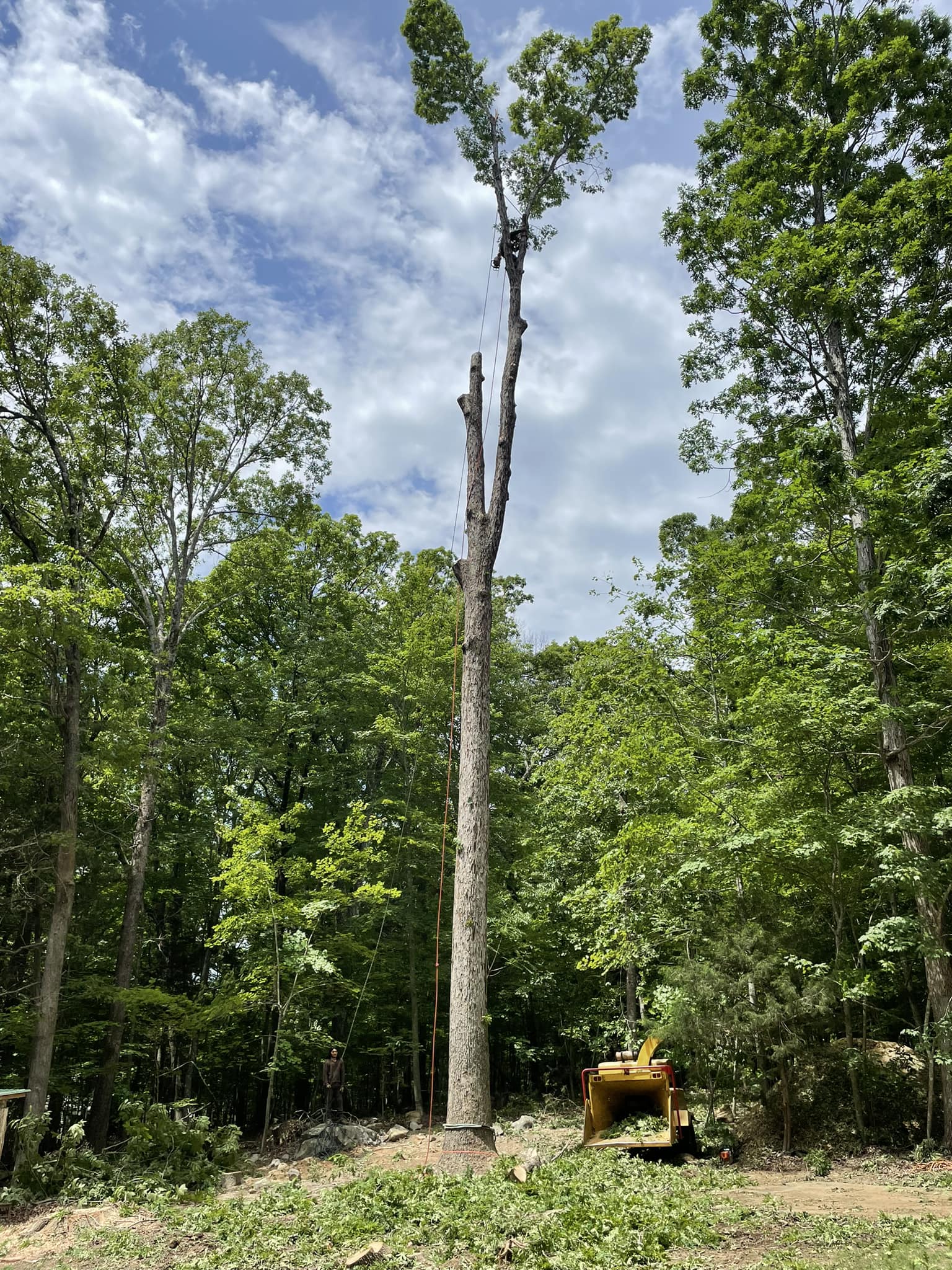
Ace Tree Service not only provides planting advice but also offers maintenance services that ensure trees continue to contribute positively to our environment for years. From pruning to pest management, professional care helps trees stay healthy and functional. Healthy trees capture more carbon and manage water more effectively, underscoring the importance of regular care.
Moreover, trees offer a multitude of social benefits which further promote resilient communities. Green spaces foster mental health and well-being, encourage outdoor activities, and build a sense of community that can be pivotal in times of crisis. Urban forests increase property values, attract tourists, and contribute to overall economic health by fostering sustainable development and tourism.
While tree planting offers substantial benefits, conserving existing forests should not be overlooked. Preservation is often faster and more effective than planting new trees, as mature trees have already established their ecological functions. Protecting these vital green spaces from deforestation ensures that they continue to provide ecosystem services that are essential for climate adaptation.
In conclusion, trees are indispensable allies in our quest for climate adaptation. By leveraging their natural benefits through thoughtful planning and ongoing care, we can foster environments that are more resilient and adaptable to changing climates. Ace Tree Service remains committed to this vision, helping to create greener, healthier, and more sustainable communities. Emphasizing trees in climate strategy not only addresses immediate environmental concerns but also safeguards the planet for future generations.