Top Tree Maintenance Practices for a Healthy Yard Mar 13, 2026
Tree maintenance begins with regular inspections. Checking your trees for signs of disease, pest infestation, or structural weakness is the first step in keeping them healthy. Look for discoloration of leaves, unusual patterns on the bark, and any visible irregularities. Regular inspections will help identify problems early, allowing for timely intervention, and saving your trees from potential decline.
Pruning is another key practice for maintaining your tree's health. Regular pruning helps remove dead or diseased branches, which can otherwise serve as an entry point for pests and pathogens. Moreover, pruning allows for better air circulation and sunlight penetration, promoting overall tree health. For best results, prune your trees during their dormant season, which is typically late winter to early spring.
Watering is essential, particularly during dry spells. Trees, like all plants, need sufficient water to thrive, but overwatering can be just as harmful as under-watering. A deep watering method is recommended – it encourages the roots to grow deeper into the soil, providing better anchorage and resilience during high winds or storms. Ensuring an appropriate watering schedule will help trees withstand periods of drought while avoiding root rot.
Mulching is a beneficial practice that many homeowners overlook. Applying a layer of mulch around the base of the tree helps conserve moisture, regulate soil temperature, and suppress weed growth. Organic mulch, such as wood chips or bark, also enhances soil nutrient content as it decomposes. When applying mulch, ensure it is not touching the tree trunk to prevent moisture buildup that may lead to decay.
Fertilizing your trees provides essential nutrients that might be lacking in the soil. However, it's vital to understand the specific needs of your tree species, as improper fertilization can cause more harm than good. Typically, trees benefit from a high-nitrogen fertilizer, but conducting a soil test beforehand can help determine the right balance of nutrients.
Additionally, protecting trees from mechanical damage is crucial. Lawn equipment, such as mowers and trimmers, can severely damage tree bark, leaving the tree vulnerable to disease. Install protective barriers around young trees to safeguard against such damage. Being careful during yard maintenance can significantly impact your tree's lifespan.
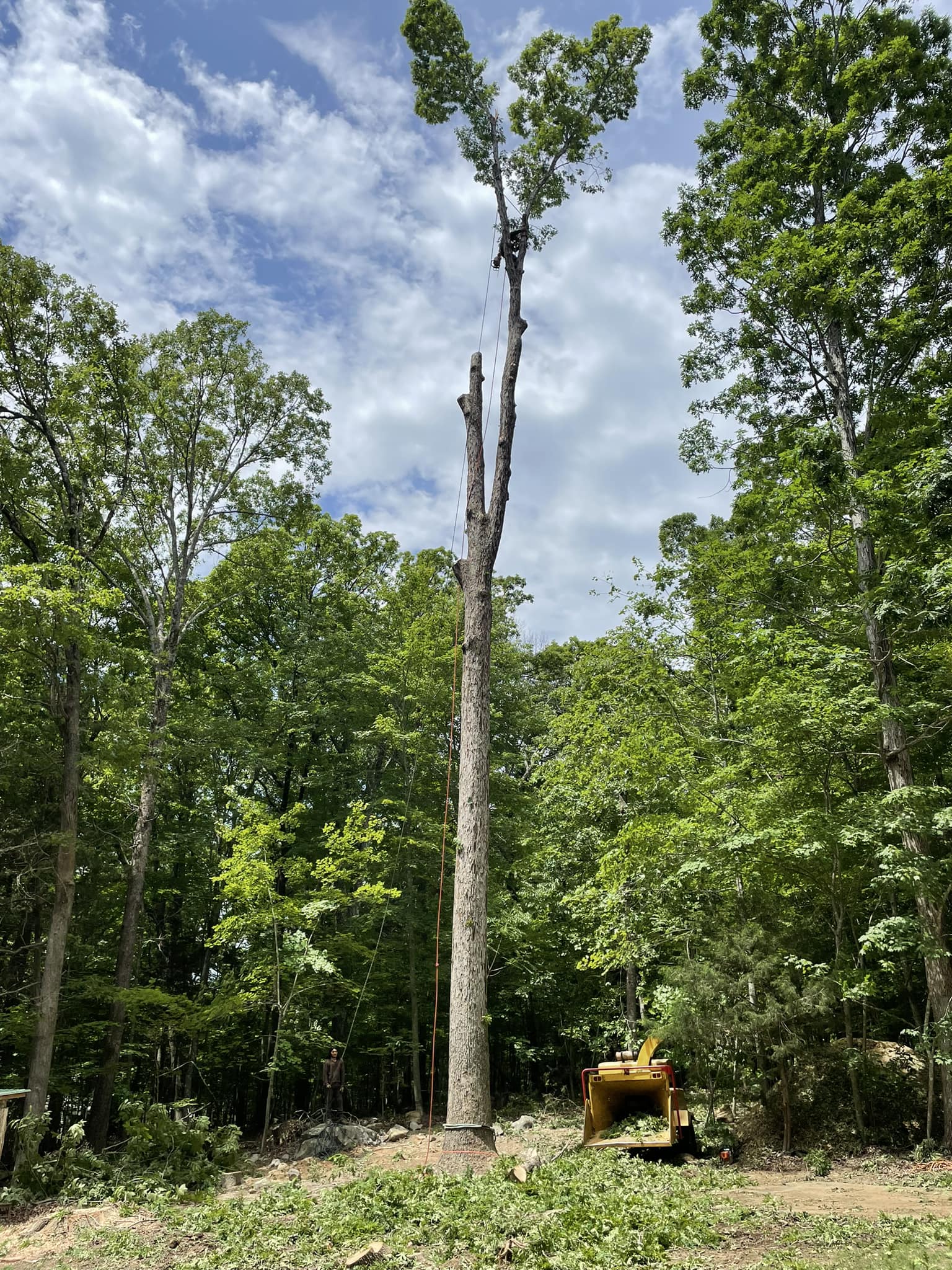
Finally, it's important to recognize when to seek professional help. If you're dealing with complex issues, such as large dead branches or signs of advanced disease, consulting an expert like Ace Tree Service can prevent further complications. Professionals have the tools and knowledge to manage challenging tree maintenance tasks safely and effectively.
In conclusion, adopting these tree maintenance practices can dramatically improve the health and longevity of your trees. By incorporating regular inspections, proper pruning, structured watering, mulching, and mindful fertilization into your routine, your yard can become a thriving oasis. Remember, healthy trees not only beautify your property but also contribute to a healthier ecosystem. For assistance or further advice on tree care, don't hesitate to contact Ace Tree Service – we're here to help you achieve a beautiful and healthy yard.