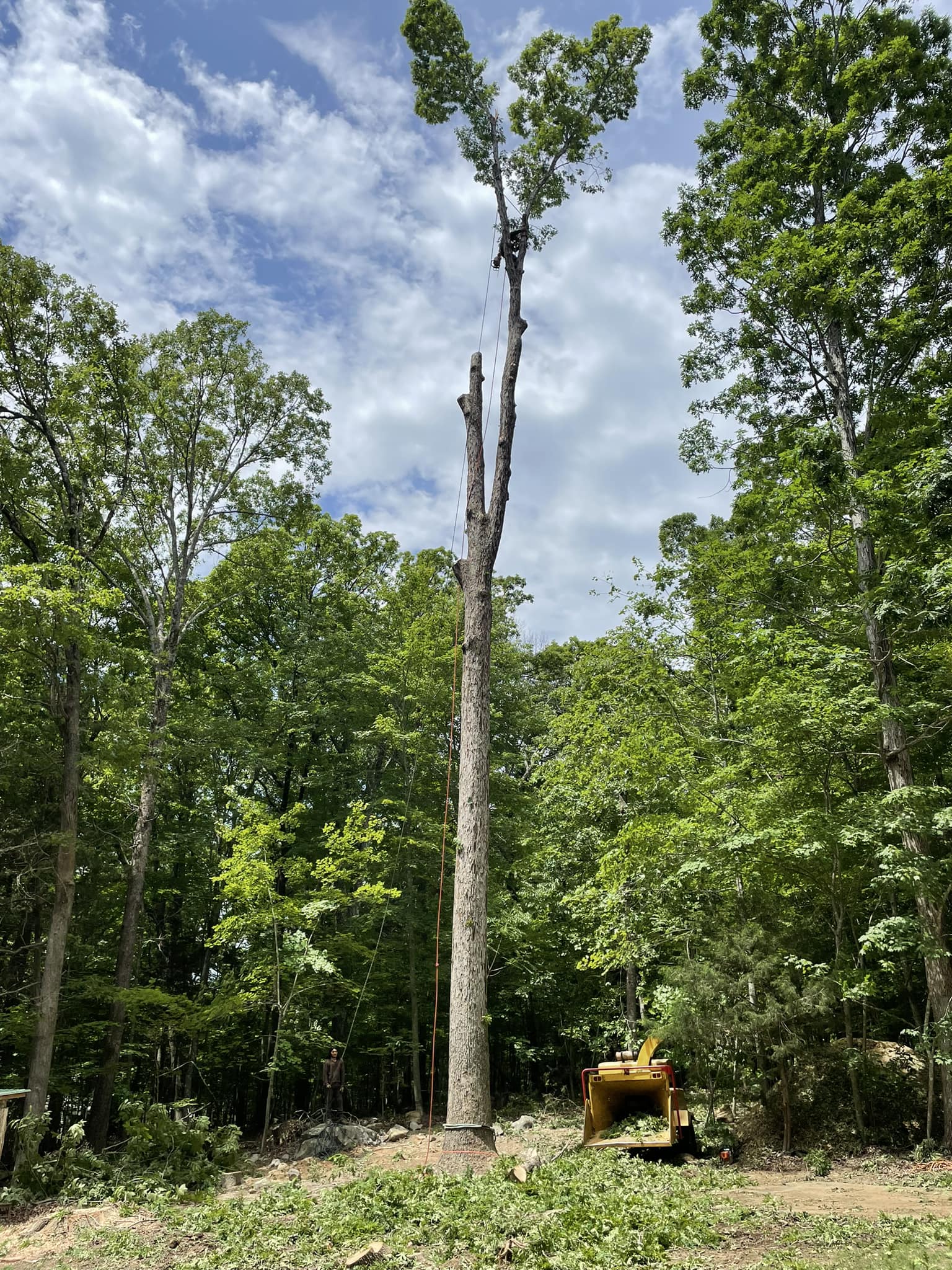
Tree Health Check: Identifying and Resolving Common Tree Issues for Homeowners Jun 06, 2026
Start with a Visual Inspection
The first step in conducting a tree health check is a thorough visual inspection. Begin by examining the tree trunk and branches for signs of decay or pest infestation. Look for mushrooms or fungi growing at the base of the trunk, as these can indicate root rot. Also, inspect for cracks, splits, or peeling bark, which may suggest structural weaknesses.
A healthy tree will usually have even-colored leaves and a full canopy. Uneven foliage, yellowing, or unexpected leaf drop can signal problems such as nutrient deficiencies or early signs of disease. The presence of pests like aphids, caterpillars, or mites often leaves visible signs, including webbing or sticky residue on leaves.
Common Tree Problems and Solutions
1. Pests and Insects: Pests can significantly affect tree health. Common pests include borers, aphids, and scales. Regular inspection and the application of organic or chemical treatments can help manage these infestations. Consider using insecticidal soap or horticultural oils that are less harmful to the environment.
2. Nutrient Deficiencies: Trees often show signs of nutrient deficiencies through poor leaf growth or changes in leaf color. Implementing a regular fertilization schedule can provide essential nutrients. Soil testing can help identify specific deficiencies to address.
3. Disease Management: Diseases such as root rot or canker can weaken trees and require prompt action. Pruning infected branches promptly and improving soil drainage can mitigate these issues. For severe cases, contact a tree health professional like Ace Tree Service who can provide specialized treatment plans.
4. Structural Problems: Strong winds and storms can cause structural damage to tree limbs. Routine pruning can prevent these issues by reducing weight and wind resistance. Professional tree service companies can conduct structural assessments and recommend cabling or bracing if necessary.
Ongoing Tree Care Practices
Consistent tree care plays a crucial role in maintaining tree health. Watering during dry spells is vital, especially for young or newly planted trees. Mulching around the base of your trees keeps soil temperature consistent and retains moisture. Avoid piling mulch against the trunk to prevent issues such as rot or pest attraction.
Pruning is another significant aspect of tree maintenance. Removing diseased or dead branches encourages healthy growth and reduces structural risks. Winter or early spring is often the best time for pruning, as trees are dormant, minimizing stress.
In conclusion, regular tree health checks allow you to spot issues early and take the appropriate action quickly. By following these inspection steps and implementing proactive care strategies, you can ensure your landscape remains a safe and beautiful part of your property. For complex problems or when in doubt, enlisting the expertise of a professional service like Ace Tree Service can save you time and potential tree loss, ensuring your trees thrive for years to come.